Introduction: Why Branding is the Secret Sauce
Have you ever walked into a supermarket and grabbed a bottle of soda without even thinking twice about the price? You picked it because you knew the taste, the look, and the feeling that brand gave you. That is not just marketing; that is the result of years of solid branding. If marketing is the vehicle that drives your message to the public, branding is the engine that keeps that vehicle running smoothly. Without a strong brand, your marketing efforts are like shouting into a void. You might get attention for a second, but it will not stick. Let us dive into how you can bridge that gap and make your marketing efforts significantly more powerful by investing in your brand.
What Actually Is Branding?
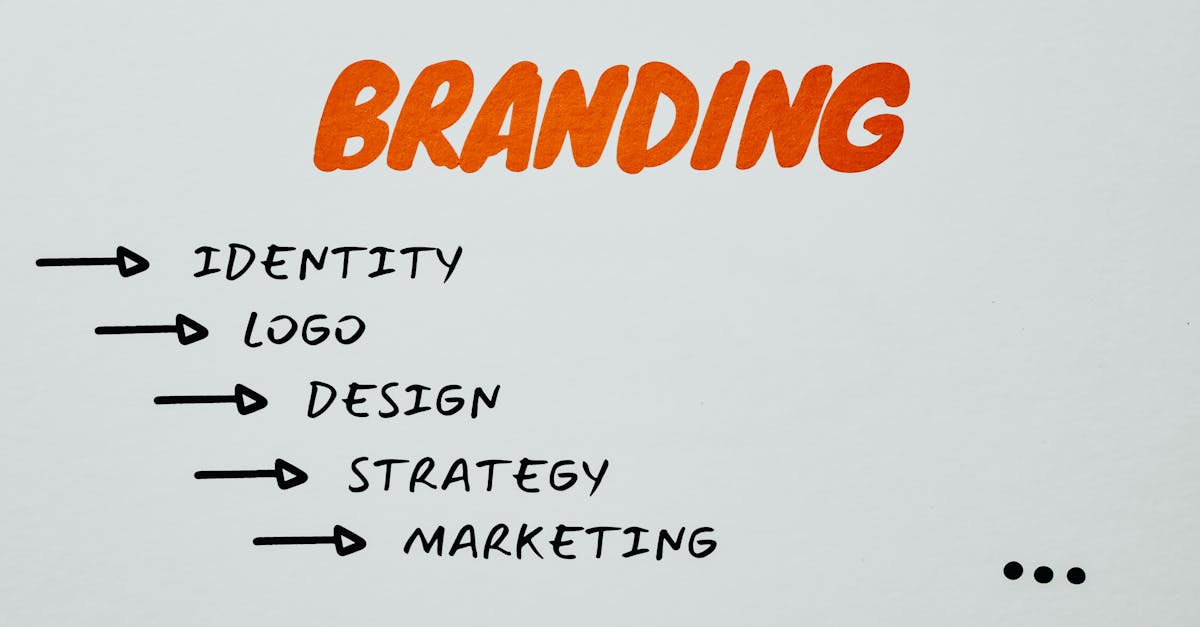
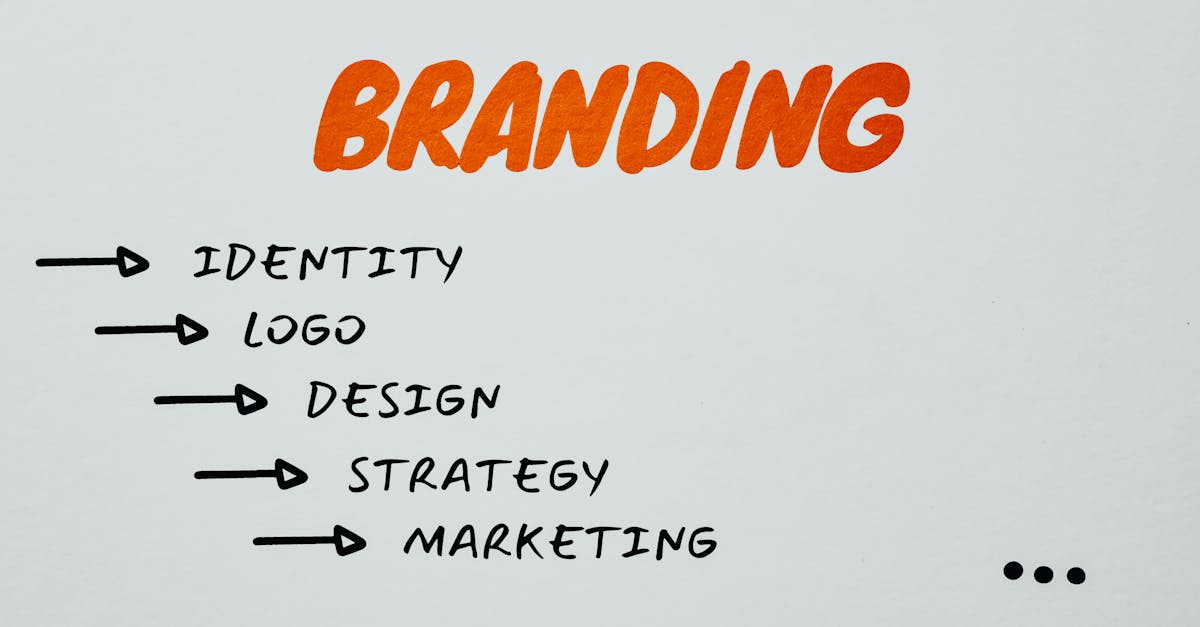
People often think branding is just a cool logo or a catchy slogan. While those are part of it, they are really just the tip of the iceberg. Branding is the gut feeling people have when they hear your company name. It is the sum of every interaction someone has with you, from your website design and the tone of your emails to the way your customer support team handles a complaint. Think of it as your company’s personality. If your company were a person walking into a room, who would they be? Would they be the reliable, suit wearing professional? Or the witty, innovative rebel? Your brand is the manifestation of that persona in everything you do.
The Difference Between Branding and Marketing
It is easy to get these two confused, but they serve different functions. Marketing is about the active tactics you use to pull people in and get them to take an action, like clicking an ad, signing up for a newsletter, or making a purchase. Branding, on the other hand, is the reason they choose you over your competitor once they arrive at your door. Marketing gets the sale today; branding gets the loyal customer for the next ten years. If you focus only on marketing, you are constantly chasing new leads. If you focus on branding, you create a magnetism that brings people back repeatedly.
Why Branding Makes Marketing Stronger
Imagine trying to sell a product without a reputation. You have to explain every detail from scratch, convince the buyer you are legitimate, and compete solely on price. That is a exhausting uphill battle. A strong brand does the heavy lifting for you. When your brand is well known, your marketing campaigns become more effective because the audience already has a level of familiarity. It is like having a head start in a race. You do not have to prove you are trustworthy because your brand has already established that trust in the minds of your customers.
Consistency is Your Best Friend
Have you ever encountered a brand that looked professional on Instagram but had a messy, confusing website? It creates a sense of distrust. Consistency is the glue that holds your brand together. If your colors, font, tone, and values change every time you post a new ad, you confuse your audience. Confusion is the enemy of conversion. When you remain consistent across every platform, you help your audience recognize you instantly. It builds a sense of stability that says, We know who we are, and you can rely on us.
Building an Emotional Connection
Logic tells people why they should buy your product, but emotions drive them to actually do it. We are not robots; we make decisions based on how things make us feel. A great brand taps into these emotions. Whether it is a feeling of security, belonging, prestige, or excitement, your brand should stand for something that matters to your customer. When your marketing appeals to those deeper desires, you are no longer just selling a commodity. You are selling a part of their identity.
Establishing Trust in a Crowded Market
In the digital age, everyone can start a business overnight. Because of this, consumers are more skeptical than ever. They are constantly bombarded with ads, and they have learned to filter most of them out. Your brand acts as your seal of quality. When you show up with a polished, authentic brand identity, you lower the barrier to entry for the customer. You tell them that you are committed to high standards. Trust is the most valuable currency in business, and your branding is the best way to earn it.
Identifying Your Target Audience
You cannot be everything to everyone. The biggest mistake companies make is trying to cast too wide a net. When you try to appeal to everyone, you end up appealing to no one because your message becomes diluted. Branding requires you to get surgical about who you are talking to. What do they care about? What keeps them awake at night? What values do they cherish? Once you identify your audience, your marketing becomes much sharper. You are no longer talking to the masses; you are having a meaningful conversation with a specific group of people.
Crafting a Compelling Visual Identity
Your visual identity is the first thing people see. It is your handshake. This goes beyond just picking pretty colors. You need a color palette, typography, and imagery style that reflect your brand personality. If you are a financial firm, maybe you go for deep blues and clean lines to project stability. If you are a skate shop, you might go for bold, neon colors and gritty textures. Every element of your visual design should communicate something about your values without you needing to write a single word.
Developing a Unique Brand Voice
How does your company sound? Are you funny and sarcastic, or formal and authoritative? Your voice needs to be consistent in your blog posts, social media updates, and even your customer support interactions. A distinctive voice helps people feel like they are interacting with a human rather than a faceless corporation. It gives them something to latch onto. If you are using buzzwords and corporate jargon, you are just background noise. If you are using a clear, human voice, you become memorable.
The Power of Brand Storytelling
Humans have been telling stories since we gathered around campfires. Stories are how we process the world. Your brand has a story, and you need to tell it clearly. Why do you exist? What struggle are you helping your customers overcome? A great brand story puts the customer in the role of the hero, while your product or service is the guide that helps them succeed. This shift in perspective makes your marketing much more engaging because it is no longer about you; it is about them.
Leveraging Social Proof and Advocacy
What others say about you is always more convincing than what you say about yourself. Social proof is a vital part of your brand strategy. Encouraging your happy customers to share their stories creates a ripple effect. When prospective customers see real people using and loving your brand, the psychological barrier to purchasing drops significantly. Make sure your branding encourages this advocacy by highlighting user generated content and testimonials prominently.
Adapting Your Brand Without Losing Identity
Brands are living things. They need to grow and evolve, but they should not fundamentally change their core mission every month. If you decide to pivot or update your brand, do it strategically. Ensure that the change still aligns with your original values. Think of it like a person getting a haircut or changing their style of dress; they are still the same person, just updated for a new chapter. Stay relevant to the times without losing your soul.
Measuring the Impact of Your Brand on Marketing
How do you know if your branding is working? Look for metrics like brand search volume, social media engagement, and customer lifetime value. If people are searching for your brand name by itself, that is a huge win. If your existing customers are referring others, that is a sign of a strong, healthy brand. While these things take time to build, they are the most reliable indicators of long term success. You are building an asset that grows in value over time.
Conclusion: The Long Game of Branding
At the end of the day, branding is not a sprint; it is a marathon. It is the accumulation of hundreds of small, intentional choices. When you commit to a clear identity, consistent messaging, and an honest connection with your audience, your marketing efforts will start to pay off in ways they never could on their own. You stop fighting for every single click and start building a community of people who truly believe in what you do. So, stop viewing branding as a luxury or an afterthought. Make it the foundation upon which all your marketing stands, and watch how much stronger your business becomes.
Frequently Asked Questions
1. How long does it take for a brand to become established?
Building a brand is a marathon, not a sprint. While you can establish a visual identity quickly, building trust and recognition usually takes months or even years of consistent effort and positive customer interactions.
2. Can a small business compete with big brands through branding?
Absolutely. Small businesses often have an advantage because they can be more authentic, agile, and personal. By focusing on a specific niche and building a deep emotional connection, small brands can easily outmaneuver massive, faceless corporations.
3. Should my branding be the same on every social media platform?
Your core identity should remain the same, but you should adjust the delivery based on the platform. A LinkedIn post will naturally sound different from a TikTok video, but the values, visual style, and overall personality must remain consistent to ensure brand recognition.
4. Is it ever too late to rebrand?
It is never too late to refine your brand, but do so carefully. A rebrand should be a strategic decision, not a knee jerk reaction to a bad quarter. Ensure your new direction aligns with your long term business goals and that you communicate the change clearly to your existing audience.
5. How does branding impact my marketing budget?
While branding requires an initial investment of time and resources, it makes your marketing more cost effective in the long run. When your audience already trusts you, you do not have to spend as much money on aggressive advertising to convince them to buy, ultimately lowering your customer acquisition costs.