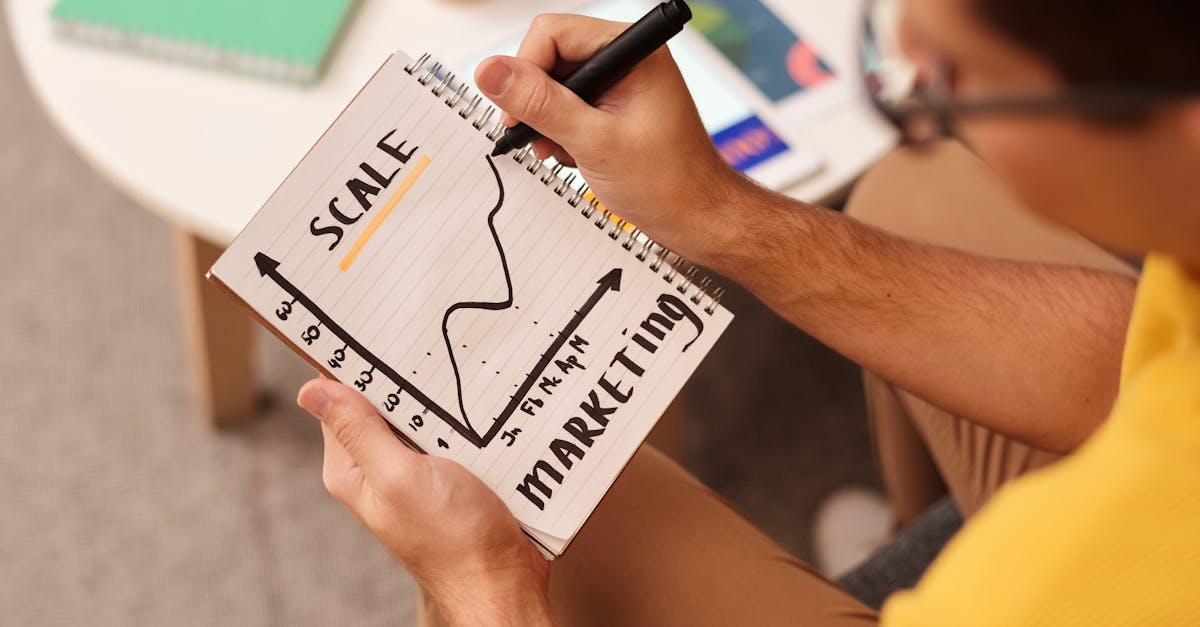
The Future of Growth: Performance Marketing in 2026
If you feel like the marketing landscape changes every time you blink, you are not alone. As we approach 2026, the old playbook of simply throwing budget at broad demographic targeting is effectively dead. Performance marketing is no longer just about tracking clicks; it is about orchestrating a symphony of data, creative storytelling, and machine learning to meet customers exactly where their intent lives. Are you ready to evolve your strategy to keep up with the pace of innovation?
The Era of Hyper Personalization Through AI
By 2026, artificial intelligence has moved past being a buzzword into being the backbone of every successful campaign. We are talking about moving from segmented audiences to individuals. Imagine a landing page that changes its layout, hero image, and copy in real time based on the specific psychographic profile of the visitor. AI acts as your digital concierge, ensuring every user feels like the message was crafted specifically for them.
Predictive Analytics: Stopping Problems Before They Start
Why react to a drop in conversion rates when you can anticipate it? Predictive analytics tools in 2026 allow marketers to identify patterns in user behavior that signal a churn event before it actually happens. It is like having a weather map for your sales funnel. By identifying these tremors in the data, you can adjust your messaging or offer a targeted incentive to keep the customer engaged.
Short Form Video Dominance
Attention spans are not getting any longer. Short form video remains the gold standard for performance because it captures the eye faster than any static image. In 2026, the goal is to make your ads feel like organic content. If it looks like an ad, users scroll past it. If it looks like a relatable story, they engage. Use raw, authentic, and fast paced video to drive your top of funnel traffic.
The Explosive Rise of Retail Media Networks
Retail media is the third wave of digital advertising. If you are not advertising on the very platforms where people shop, you are missing the bottom of the funnel. By 2026, every major retailer has become a media company. Leveraging their first party data allows you to show ads to users who are already in the buying mindset, effectively shortening the path from discovery to transaction.
Thriving in a Privacy First World
The death of third party cookies is long behind us by 2026. This transition was painful for some, but it has actually forced us to become better marketers. We are no longer reliant on spying on users across the internet. Instead, we have built stronger direct relationships. Privacy is now a feature of the brand, not a hurdle to clear. When you respect user data, you earn trust, and trust is the highest currency in modern commerce.
The Strategic Value of Zero Party Data
If first party data is what you observe about your customers, zero party data is what they intentionally tell you. Interactive quizzes, preference centers, and polls have become essential tools. Ask your customers what they want. When a user tells you they are looking for a specific product feature, you can trigger an automated, highly personalized email sequence that solves their problem instantly.
Beyond Macro Influencers: The Rise of Micro Communities
The age of the celebrity influencer is fading. We have entered the age of the niche expert. Micro influencers with small but fiercely loyal followings provide better conversion rates because they have genuine authority. A review from someone with five thousand followers who actually knows the industry carries more weight than an endorsement from someone with five million followers who is just reading a script.
Optimizing for Voice and Visual Search
People are searching differently. They are not just typing keywords into a bar; they are talking to their devices and using cameras to identify products. Optimizing for voice means creating conversational content that answers questions directly. For visual search, ensuring your product images are high resolution and tagged with rich metadata is crucial for staying discoverable in a search environment dominated by AI vision models.
Advanced Marketing Automation Pipelines
Automation is the engine room of performance marketing. By 2026, the workflows are incredibly sophisticated. An automated pipeline should trigger based on complex logic: if a user clicks an ad but doesn’t buy, waits for two days, and then visits the blog, they should receive a specific piece of social proof content. This is about nurturing the customer journey without manual intervention.
The Metaverse and Immersive Performance Ads
While the initial hype cycle has cooled, the metaverse has matured into a space for immersive advertising. Virtual try ons and branded interactive spaces allow users to engage with your product in a 3D environment. This is a game changer for high involvement products like furniture or fashion. You are not just selling a product; you are letting them inhabit the experience of owning it.
Sustainability as a Performance Metric
Consumers in 2026 are voting with their wallets based on corporate values. Sustainability is no longer a sidebar; it is a core performance marketing pillar. Highlighting your supply chain transparency or your commitment to ethical labor can be the deciding factor for a conversion. Incorporating these values into your ad creative helps build a brand identity that sticks.
Customer Experience as the New Marketing Channel
Marketing does not stop when the purchase is made. In fact, it is only just beginning. A seamless post purchase experience creates brand advocates who do your marketing for you. Investing in fast support, easy returns, and surprise and delight moments is a performance strategy. Word of mouth is the most efficient form of growth, and it is fueled by a great customer experience.
Agile Testing Frameworks for Rapid Growth
You cannot win if you are afraid to fail. Agile testing is about running hundreds of micro experiments every month. Test a different headline. Test a different video thumbnail. Test a different offer. The goal is not to have every test win, but to learn quickly what does not work so you can double down on the winners. Speed of learning is your greatest competitive advantage.
Final Thoughts on Your 2026 Strategy
Performance marketing in 2026 is a blend of hard science and creative art. By leveraging AI, respecting user privacy, and focusing on genuine connection, you can navigate the complexities of the digital world with confidence. Remember, tools and platforms will keep evolving, but human behavior remains anchored in a desire for convenience, trust, and value. Keep your focus on the person on the other side of the screen, and your performance will naturally follow.
Frequently Asked Questions
1. How does AI change the creative process for ads?
AI allows for rapid iteration and versioning of ad creative. Instead of creating one ad for a million people, you can now generate variations that resonate with specific sub niches, which significantly increases conversion rates.
2. Is email marketing still relevant in 2026?
Email is more relevant than ever because it is your own channel. In an era of shifting platform algorithms, email remains the best way to communicate directly with your audience without interference.
3. What should I prioritize if I have a limited budget?
Prioritize high intent channels like retail media and search. Focus on gathering zero party data from your current visitors so you can build a retargeting audience that you own, rather than paying for cold traffic on social platforms.
4. How do I measure success in a privacy first world?
Shift your focus toward modeled data and conversion lift studies. Since individual tracking is limited, look at the correlation between your ad spend and overall lift in site traffic and organic search growth.
5. Why is micro community engagement better than broad influencer marketing?
Micro communities are built on trust and shared values. When an influencer in a small, dedicated group recommends a product, it feels like a recommendation from a friend, which carries significantly more conversion power than a generic endorsement.
