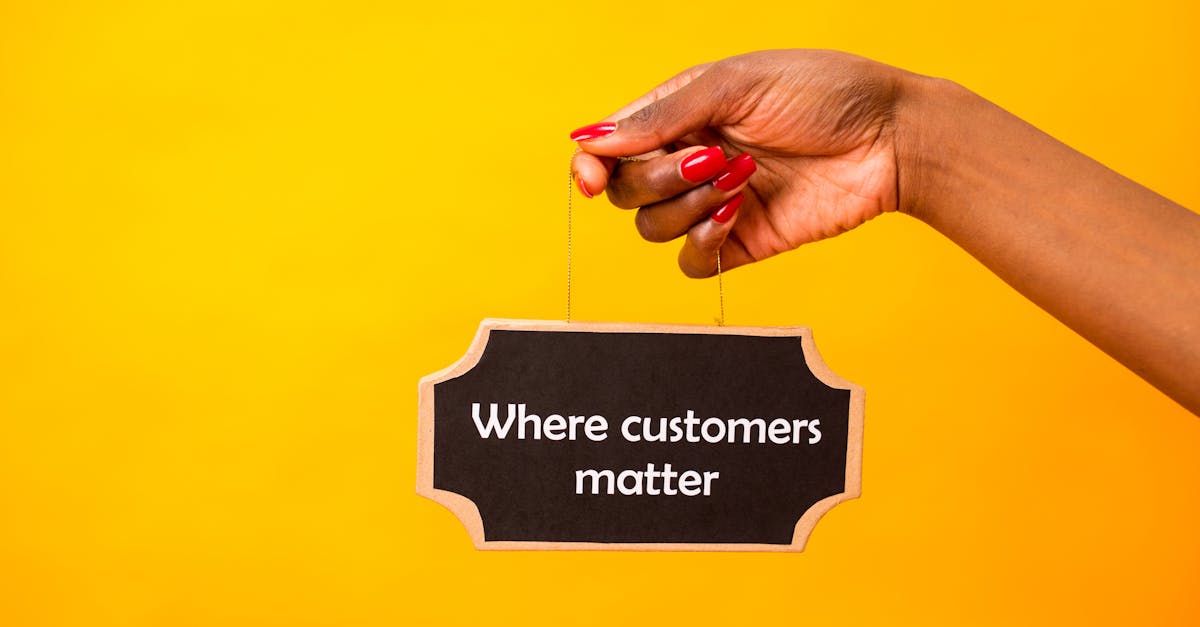
Introduction: The Art of Conversation in Marketing
Have you ever walked into a shop where the clerk ignored you, only to walk into another where the staff greeted you by name and asked how your last purchase was working out? The difference isn’t just politeness; it is engagement. In the digital marketing landscape, most businesses are shouting into the void, hoping someone hears them. But true success comes from whispering directly into the ear of the person who actually cares. Improving customer engagement is not about getting more clicks; it is about building a relationship that lasts longer than a single transaction.
Understanding Customer Engagement in the Modern Age
Engagement is essentially the emotional commitment a customer has to your brand. It is the difference between a one night stand and a long term partnership. When a customer is engaged, they stop looking at the price tag and start looking at the value you provide. They become advocates, defenders, and repeat buyers. If you are just focusing on sales, you are missing the forest for the trees.
The Power of Radical Personalization
Imagine receiving a birthday card from a stranger who knows your favorite cake flavor. That is the feeling of radical personalization. You need to move beyond saying “Hi [First Name]” in your emails. You need to understand their behavior. What have they clicked? What have they abandoned in their cart? Use this information to tailor every touchpoint so the customer feels like you are speaking specifically to them, not to a database of a thousand people.
Using Data to Predict Customer Desires
Data is the compass of the modern marketer. By analyzing purchase history and browsing patterns, you can predict what a customer needs before they even realize it themselves. It is like having a waiter who knows exactly when you want a refill without you having to ask. This isn’t creepy if it is done with value in mind; it is helpful.
Storytelling: The Heartbeat of Your Brand
Humans are hardwired for stories. Facts and figures go in one ear and out the other, but a compelling story sticks like glue. Share the journey of your founders, the struggle behind a new product launch, or the success stories of your customers. When you reveal the human side of your business, you create an emotional bridge that fosters trust.
Social Media as a Two Way Street
Many brands use social media as a billboard, but that is a rookie mistake. Social media is a living, breathing room where people hang out. If you walk into a party and only talk about yourself, everyone will eventually ignore you. You must reply to comments, ask provocative questions, and share user generated content. Treat your followers like friends, not a captive audience.
Interactive Content: Turning Passive Viewers into Participants
Nobody likes to be lectured to, but everyone loves to play. Use polls, quizzes, and interactive calculators to bring your content to life. When a user interacts with your brand, they are investing their time and energy, which naturally increases their level of commitment to you.
Email Marketing That Actually Gets Opened
Email is not dead; it is just crowded. To stand out, you must provide genuine value. Every email should either solve a problem, provide exclusive information, or make the reader laugh. If your email doesn’t serve the reader, it belongs in the trash folder. Keep it punchy, visual, and above all, human.
Building a Community Rather Than a Customer Base
What if your customers started talking to each other instead of just to you? That is the holy grail. Whether it is a Facebook group, a Discord server, or a forum on your website, creating a space for like minded individuals to connect around your brand turns customers into a tribe. Tribes stick together and they protect their own.
The Role of Proactive Customer Support
Excellent service is the ultimate marketing tool. When things go wrong, and they will, how you handle it defines your brand. Proactive support means reaching out when you know there is a shipping delay or providing a tutorial before they even ask for help. Don’t wait for them to complain; be the one who offers the solution first.
Mastering the Omnichannel Experience
Your customer starts on their phone, continues on their laptop, and perhaps finishes in a store. If the experience feels disjointed or disconnected at each step, you lose them. Ensure that the tone, the visuals, and the data follow them seamlessly. Your brand should feel like a consistent personality across every platform.
Loyalty Programs That People Actually Want
Most loyalty programs are just a race to the bottom on price. Instead, offer experiences that matter. Give your most loyal customers early access to products, invites to webinars, or a seat at the table to share feedback on future product developments. Reward behavior that aligns with your brand values, not just their wallet.
The Feedback Loop: Listening to Your Audience
Ask your customers what they think and then actually do something with that information. There is no faster way to destroy trust than asking for feedback and then ignoring it. When you implement a change based on a suggestion from your audience, shout it from the rooftops. Let them know they are the ones driving your innovation.
Measuring Engagement Beyond Vanity Metrics
Stop obsessing over likes. Instead, look at engagement metrics that actually signify value: time spent on page, repeat visits, community interaction, and direct replies to your communications. These metrics tell you who is actually invested in your brand and who is just passing through.
The Future of Engagement and Artificial Intelligence
AI isn’t here to replace the human element; it is here to amplify it. Use AI to handle the grunt work, like sorting queries or identifying trends, so you have more time to have real conversations with your people. The future of marketing is high tech and high touch simultaneously.
Conclusion: Staying Human in a Digital World
At the end of the day, marketing is just people helping people. Whether you are using the most advanced automation tools or simply answering a comment on your blog, remember the goal is connection. If you keep the customer at the center of your universe and treat them with the respect and curiosity they deserve, engagement will naturally follow. Do not chase algorithms; chase relationships. Start today by listening more than you broadcast and watch how your audience responds.
Frequently Asked Questions
1. How quickly should I expect to see results from these engagement strategies?
Building relationships takes time. While you might see small wins, like a spike in social media engagement, within a few weeks, deep brand loyalty is a marathon, not a sprint. Expect to see significant shifts in three to six months.
2. Is it possible to over engage with my audience?
Absolutely. If you are flooding their inbox or constantly posting, you become noise. Quality always trumps quantity. Focus on providing value rather than just taking up space in their digital lives.
3. What if my brand is in a boring industry?
There is no such thing as a boring industry, only boring ways to market it. Every product solves a human problem. If you can identify that problem and speak to the emotion behind it, you can create engaging content for any niche.
4. How do I balance automation with a personal touch?
Use automation for efficiency, not for replacing personality. Let software handle the distribution, but ensure the actual copy, tone, and strategy are deeply human and reflective of your brand’s unique voice.
5. Why is user generated content so effective for engagement?
It acts as social proof. When a real customer shares their experience, it builds trust faster than any advertisement ever could. It signals to others that your brand is a part of their daily life, not just a company trying to make a buck.